Frontend Lead
Freedom Robotics
A 0 to 1 fleet management app for robots. I redesigned how it used the API, cutting query load by 90% and perceived delays by 75%, and built the internal SDK the app used to talk to it.
- React
- TypeScript
- SDK
- Performance
- Role
- Frontend Lead
- When
- 2020 to 2023
- Stack
- React, Redux, TypeScript, Next.js, Recharts, Mapbox GL
- How I joined
- Through Toptal, then hired by the company
- less API query load
- 90%
- shorter perceived delays
- 75%
- new app and internal SDK
- 0 to 1
On this page
Context
Freedom Robotics was a San Francisco startup backed by Initialized Capital. I joined through Toptal to build a brand new web app from the ground up, and the company later hired me directly.
The product was a fleet management platform: teams used it to monitor and control their robots remotely.
Building the app from zero
The existing app was legacy code: React Router, class components and almost no TypeScript. Patching it would have kept every problem alive, so we started a brand new app in Next.js and TypeScript.
The priority was intuitive user journeys on top of dense, live data: dashboards, charts and maps. I also set up a vetted UI kit, which improved both user engagement and the day to day experience of the developers building on it.
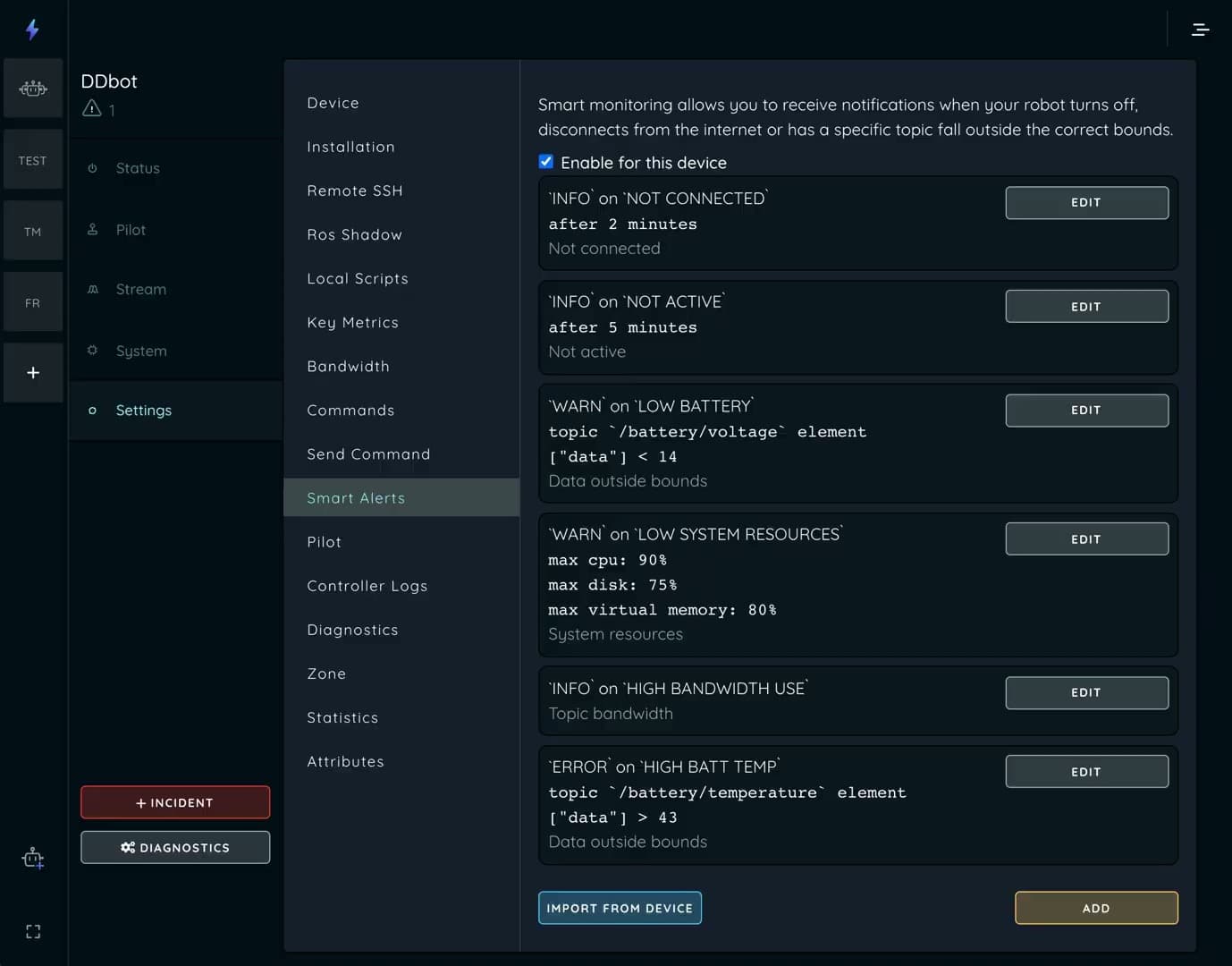
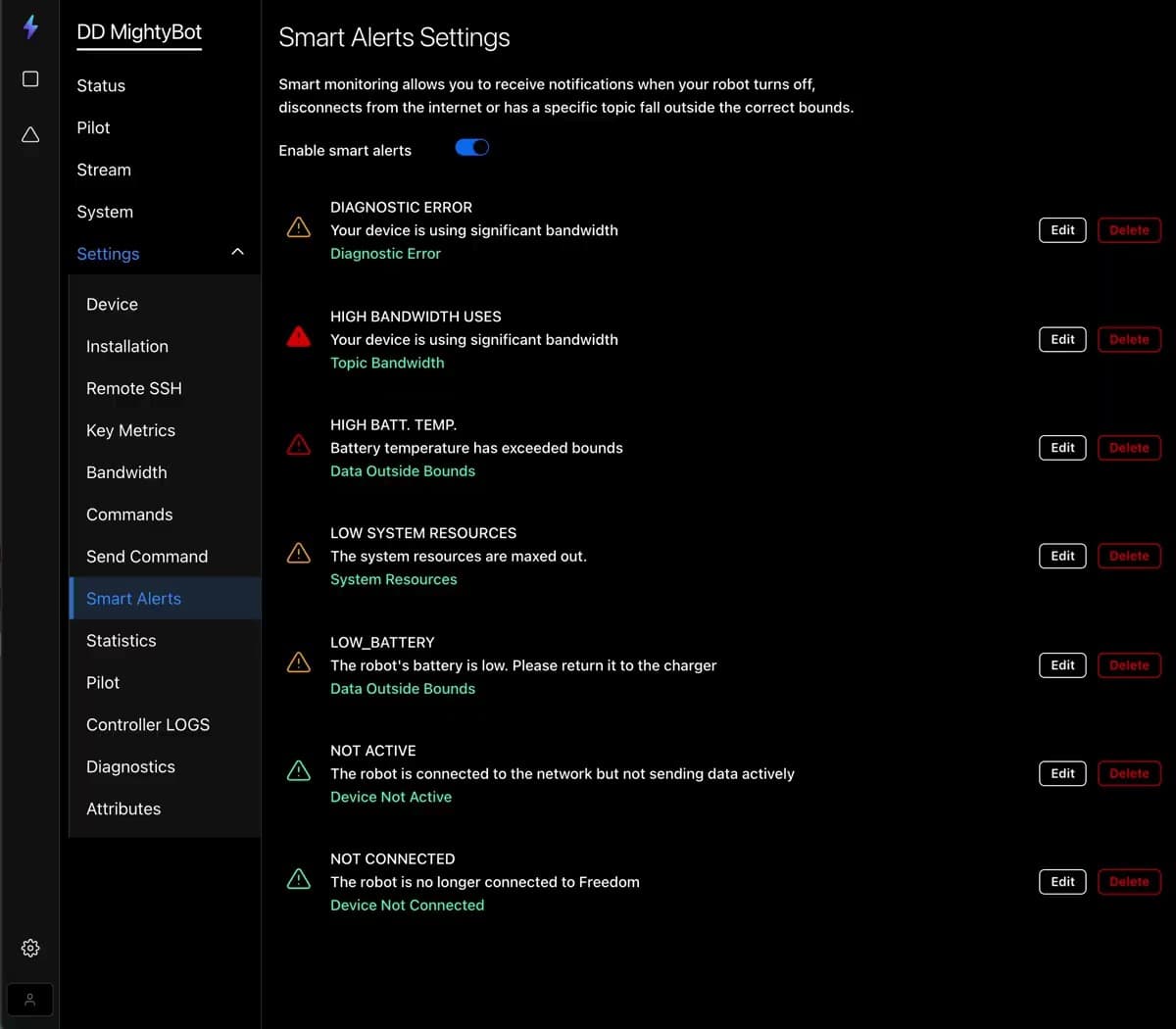
A screen worth a closer look
Cutting API load by 90%
The old app kept fetching data for every device, including devices the user was not even looking at. I redesigned how the new app used the API so it asks for device data only when someone needs it.
- fewer queries per second
- 90%
- shorter delays users noticed
- 75%
An SDK for the API
I built an SDK from scratch as the single way the app talked to the API. It was internal and never released, but it gave the whole frontend one consistent way to get its data.
Next case study
A study of Ramp’s design system and Bill Pay app, rebuilt from their public product videos with a Claude Code skill I wrote: 40 components and nearly 200 stories in Storybook, plus a working demo backed by Supabase.